Where & what is Tysons?
Tysons, Virginia (still often called Tysons Corner) sits about 12 miles west of downtown DC in Fairfax County, right at the meeting point of the Beltway and Routes 7 and 123. The arrival of four Silver Line Metro stations has transformed the area into a popular place to live near McLean and Washington DC, with great apartments, condos, shops, and restaurants. With walkable areas especially around Greensboro, Tysons Corner Center, and Spring Hill, it can feel more like a vibrant urban neighborhood than a spread-out suburb.
Where does the name come from?
It's named after a real person, William Tyson, who bought land in the area in the mid 1800s. Tyson ran a small tavern and general store at a crossroads there. For most of the 19th century, this was just a rural intersection in Fairfax County, and people referred to it as “Tyson’s Corner” because it was literally the corner where Tyson’s place sat. The apostrophe eventually got dropped, but the name stuck.
In 2016, the 'Corner' was officially dropped from the name, a symbolic move that traded the area's suburban reputation for its new reality as a sophisticated, vertical downtown.
How is Tysons different from other DC suburbs?
Tysons is undergoing one of the most ambitious urban transformations in U.S. history. It feels less like a suburb, and more like a young city that's growing and branching out.
If you are considering moving here, here is what sets it apart from the rest of Northern Virginia:
True Car-Free Living: It’s one of the few places in Northern Virginia where you can live, shop, and commute without touching a steering wheel. Because apartment buildings are stacked directly on top of flagship grocery stores, gyms, and restaurants, your daily errands don't require a drive.
Built Around Transit: Instead of standard suburban gridlock, Tysons is built around a network of dense, vertical "hubs" clustered directly along the Metro's Silver Line. With four dedicated stations, commuting into DC or catching a flight out of Dulles is completely seamless.
A High-Octane Economy / World-Class Scene: Unlike bedroom communities where you have to travel for work or premium entertainment, Tysons is an economic and cultural powerhouse. Massive Fortune 500 headquarters (like Capital One, Freddie Mac, and Hilton) call it home, so elite career opportunities are right in your backyard. Between the high-end dining at The Boro and the legendary shopping centers, you get world-class amenities right down the street.
An Active 24-Hour Vibe Most suburbs completely empty out or shut down after 5:00 PM. Tysons is shifting toward a round-the-clock lifestyle, featuring lively outdoor plazas, pop-up community events, biergartens, and a growing nightlife scene that you won't find in a quiet residential cul-de-sac.
A Growing Footprint for Pedestrians: While Tysons inherits signifiant highway infrastructure from its past, the county is working to break up those giant blocks into a walkable grid of urban streets, wide sidewalks, and pocket parks, made for people rather than just cars.
While Tysons remains famous for its shopping malls and corporate footprint, its identity today is equally shaped by its new, pedestrian-friendly, people-focused neighborhoods. Read our full post about What is Tysons Known For?.
What are the 4 main districts?
Locals and planners often just refer to Tysons by these four Metro-anchored districts:
Tysons Central (Metro = Tysons)
The original heart of Tysons and what most people visualize when they hear the name. It is anchored by the "Big Two"—Tysons Corner Center and Tysons Galleria. This area has the highest concentration of retail, luxury hotels, and flagship offices. While it remains the most intensely commercial part of Tysons, a massive wave of new high-rise residential towers is also filling in the gaps.
Greensboro (Metro = Greensboro)
Located just west of the mall core, Greensboro has emerged as the most balanced "live-work" district. It feels a bit more like a traditional city neighborhood thanks to The Boro, which introduced a walkable "Main Street" feel to the area. It is dense and vertical but offers a slightly more rhythmic, residential pace with upscale grocery stores, cinemas, and popular dining spots all within a tight, walkable radius of the station.
Spring Hill (Metro = Spring Hill)
On the western edge of Tysons, Spring Hill is the district of "height and home." While it still hosts large corporate campuses, it has become the premier destination for high-rise residential living and community life. Anchored by landmarks like Adaire and the new 30,000-square-foot Tysons Community Center (still in development), it will also be home to the future Iconic Tower, set to be the tallest in the region. Spring HIll offers a more dedicated neighborhood feel for those who want "sky-high" living slightly removed from the mall traffic.
Tysons East / Scotts Run (Metro = McLean)
This is the eastern gateway to Tysons and the first stop for those coming from D.C. or Arlington. Despite the station being named McLean, this district is purely Tysons. It has rapidly evolved from an office-heavy corridor into the city’s arts and entertainment hub, anchored by Capital One Center, The Perch, and Capital One Hall. It offers the quickest access to the Beltway and the natural trails of Scotts Run, making it a favorite for commuters who want easy access to the outdoors.
Quick Tip:
Pro-Tip: Don't let the Metro names trip you up! If you are heading to the malls, get off at the Tysons station. If you are heading to Capital One Center, get off at the McLean station. If you're heading home to Adaire, Spring Hill is your stop.
Who is Tysons great for?
Tysons attracts young professionals and career-focused renters and buyers, especially people working in tech, consulting, finance, or government contracting in or around Tysons, Reston, Arlington, or DC. Compared with many surrounding suburbs, the population skews a bit younger and more affluent, partly because housing in Tysons is newer and less oriented toward single-family homes.
You’ll also see dual-income couples and some empty nesters who want a low-maintenance, amenity-rich building close to shopping and Metro. It’s less of a family destination and more of a place for people who value convenience, transit access, great shopping/dining, and modern buildings over yards, schools, and quiet streets.
How easy is it to get into DC, Arlington, or Reston?
The commute is generally pretty easy and predictable, and Silver Line access is a big advantage of living here.
- To DC: The Silver Line Metro runs directly from Tysons into downtown Washington DC (to stations like Metro Center and L’Enfant). A typical ride to central DC takes about 30–40 minutes, depending on your exact start and end points.
- To Arlington: Silver Line service gets you to Arlington quickly — places like Ballston, Court House, and Rosslyn are often under 20–30 minutes by Metro.
- To Reston: Going west on the Silver Line, Reston stops like Reston Town Center and Innovation Center are typically 10–20 minutes from Tysons.
Traffic can be heavy if you’re driving during rush hours, especially on I-66 and the Beltway. Many residents prefer the Silver Line for consistency and avoiding congestion. Metro frequencies are good most of the day, though rush-hour trains are busiest and weekends can have maintenance delays at times.
Do you need a car?
If you’re within a short walk of a Silver Line station or in one of the newer, denser clusters close to shops and restaurants, you can do a lot by Metro and walking. Tysons is one of the few places in Northern Virginia where you don't need car.
That said, Tysons is still built around big roads and superblocks. For things like bigger grocery runs to visiting other areas, a car is convenient and, for some, still part of daily life.
- Car-free is possible in the right location and with the right lifestyle.
- Car-light is very common.
- Car-dependent is still the reality if you live farther from Metro or want maximum flexibility.
Located just one block from Spring Hill Metro, Adaire also offers on-site parking.
How affordable / expensive is it?
For renters, Tysons sits in the same tier as Arlington and many parts of DC. People choose Tysons for its spacious newer buildings, full amenities, and unusually good access to jobs, Metro, shopping, and daily conveniences in one place. It’s about trading up for convenience, time savings, and an easier day-to-day setup.
Where do you do everyday shopping?
A lot of everyday shopping in Tysons centers around Tysons Corner Center and the retail clusters near the Metro stops. You’ve got easy access to places like Whole Foods, Wegmans, Harris Teeter, and Trader Joe’s, plus pharmacies like CVS and Walgreens and big-box basics from Target.
In practice, a lot of residents do a mix: quick walks or short trips for small errands, and an easy drive for bigger grocery runs. While not a main-street setup, but it’s still convenient and very well covered for day-to-day needs.
Both Harris Teeter and Whole Foods are about 1 mile from Adaire.
What's the dining and nightlife scene like?
Tysons delivers good food diversity and a relaxed, approachable nightlife that fits its commuter/resident mix. It's fun and frequently busy, but not the kind of “go-out till 2 AM” scene you’d get in larger urban cores or downtown DC.
- Restaurants: You’ll find a wide mix, from sit-down dinners and gastropubs to casual quick bites and international fare. There’s strong representation from Asian, American, Italian, and Latin American kitchens, plus plenty of places tied to the mall and office crowd.
- Bars & Nightlife: The bar scene leans more casual and social than clubby; think craft cocktail lounges, brewpubs, rooftop patios, and sports bars. It’s good for after-work drinks and casual weekend hangs.
- Vibe: Most nightlife is clustered near Greensboro and Tysons Corner Metro and around the major shopping areas. Weeknights and early weekend evenings are lively; late nights can quiet down compared with central city hot spots.
What are 5 great restaurants that locals love?
Founding Farmers — This beloved farm-to-table spot works equally well for brunch or lunch as for dinner. The menu is tied to a network of American family farms, and almost everything is made in-house.
Circa at The Boro — Circa blends thoughtful, ingredient-forward dishes with a lively, bar-centric atmosphere. Ejoy modern American cuisine with a focus on shareable plates and elevated comfort food. The vibe is part neighborhood restaurant, part date-night spot.
Agora Tysons — Agora brings a true Eastern Mediterranean menu to Tysons, with spreads, hot mezze, and big, shareable plates. It's built for long, social meals instead of quick in-and-out dining. Bright, energetic, and consistently crowded.
Chima Steakhouse — This is an experience dinner: long, indulgent, and unapologetically meat-forward. The room is upscale but animated, and meals tend to turn into two-hour events. Perfect for special occasions.
Eddie V’s Prime Seafood — Eddie V’s combines a raw bar and high-end seafood program with live jazz and a swanky cockail lounge.
Where can I find parks or natural areas?
Even though Tysons is very built up, there’s a surprising amount of green space and outdoor options within a short drive. Check out our complete list of Parks & Natural Areas In & Near Tysons.
Close-to-Home Parks
- Tysons Pimmit Park – A neighborhood green space with walking paths and spots to relax or have a picnic right in the Tysons area.
- Spring Hill District Park – A well-liked local park with open lawns, walking paths, and a pleasant place for a stroll after work.
McLean Central Park – A classic suburban park nearby with tree-lined paths and shaded lawns, ideal for casual walks or sitting outside.
Foxstone Park - This leasant neighborhood park has trails that follow Wolftrap Creek through wooded areas, with shaded paths, trail bridges, and creekside scenery,
Nature & Trails (Short Drive)
- Scott’s Run Nature Preserve – One of the best nearby nature spots, with woodland trails, rocky creekside paths, and views of the Potomac River.
- Meadowlark Botanical Gardens – A 95-acre garden with landscaped paths, ponds, and seasonal blooms.
- Nottoway Park – A larger park with paved walking trails, open fields, and mature trees; nice for extended walks or casual biking.
Big Natural Destinations
- Great Falls Park – A dramatic natural destination where the Potomac River cascades over rugged rocks with scenic trails and overlooks.
- George Washington Memorial Parkway (Potomac River corridor) – While not a single park, this scenic stretch along the Potomac offers trail access and river vistas just north of Tysons.
- Regional Trail Options - Nearby multi-use paths like the Gerry Connolly Cross County Trail and the Washington & Old Dominion (W&OD) Trail are great for longer walks, runs, or biking, and within a short drive from Tysons.
What do people who live in Tysons tend to really like about it?
The biggest draw is unmatched location and access. You can get to DC, Arlington, Reston, Dulles, and most of Northern Virginia quickly, often by Metro, making it an ideal central launchpad.
But residents also love Tysons because they don’t actually have to leave it to get the best of everything. People who live here really lean into the perks of a high-end, high-convenience lifestyle:
Elite Career Opportunities: A massive draw for professionals is that Tysons is a major economic engine, serving as the home base for corporate titans and Fortune 500 headquarters like Capital One, Freddie Mac, Hilton, and Booz Allen Hamilton. Living here means having a world-class job market and premium career opportunities right outside your front door, dramatically cutting down commute times.
World-Class Shopping & Dining: Enjoy immediate access to luxury retail at Tysons Galleria, sprawling shopping hubs, and a rapidly expanding culinary scene. From upscale dining at The Boro to trendy bistros and vibrant outdoor biergartens, you get "destination-level" weekend entertainment without ever leaving your neighborhood.
Low-Friction, Modern Living: Residents love the predictability and ease of secure buildings, garage parking, massive package rooms, 24/7 on-call maintenance, and high-end fitness centers right in their building.
People choose Tysons because it’s both efficient and exciting. It gives you a dynamic, high-energy city lifestyle (still with nearby green space too!), where you can easily stack your career, workouts, fantastic shopping, and dinner plans into one simple loop.
What makes Adaire a great option?
Adaire stands out because:
- You enjoy a faster commute and true Metro-adjacent convenience, living right by Spring Hill Metro. Plenty of secure parking is also available.
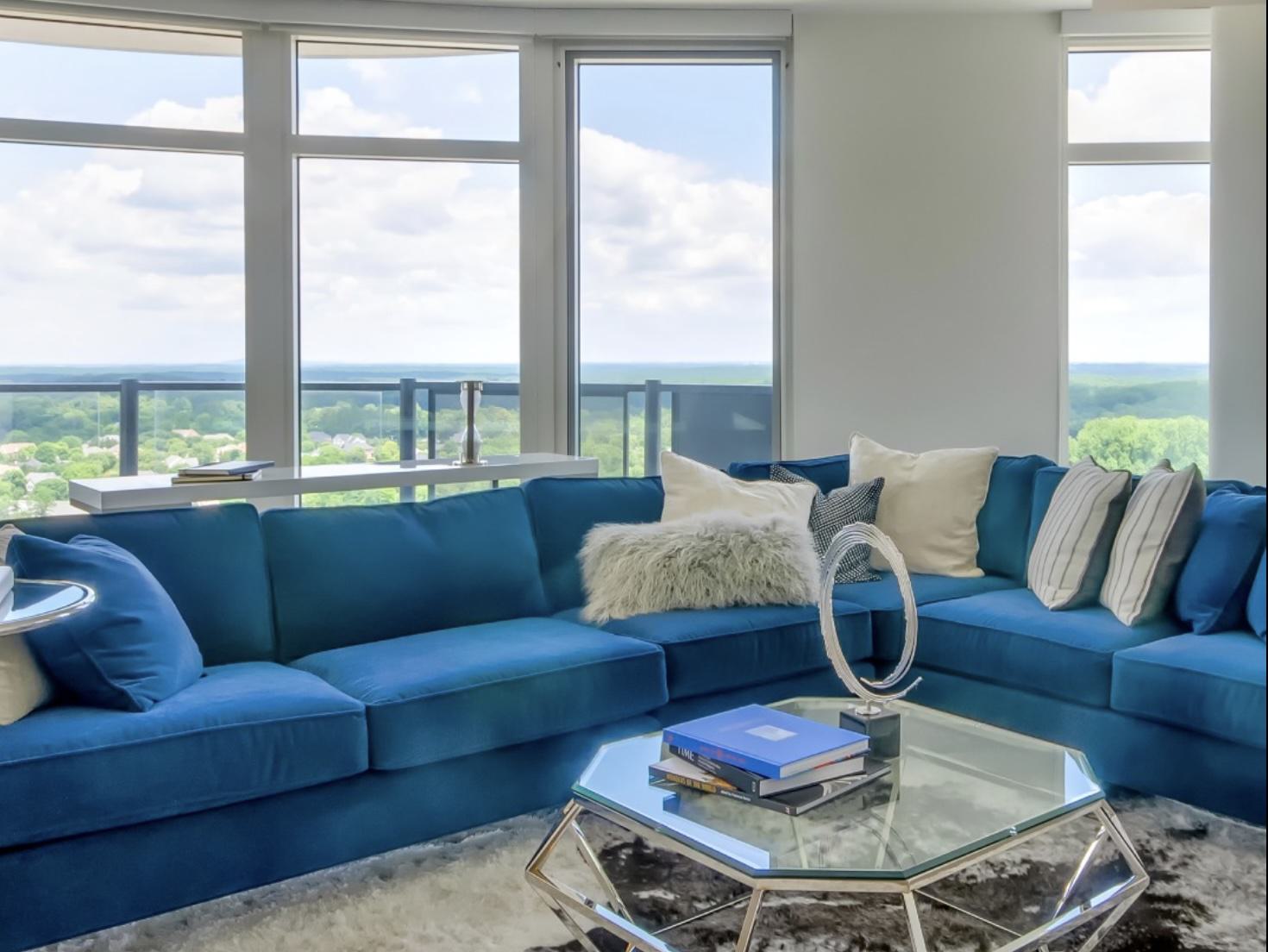
- Refined, high-rise living spaces blend sustinable LEED-Gold design with floor-to-ceiling glass and skyline views.
- The luxe amenity spaces (expansive rooftop lounge, scenic pool deck) bring social connection and peaceful spots to unwind. Wellness-focused amenities also include a modern, high-end fitness center.
- You're minutes from the center of all the shopping an commercial action in Tysons, but not living right in the middle of it.
- Enjoy closer access to area trails, parks, and green spaces.
Explore luxury apartments, unique amenities, and available floor plans at Adaire.